
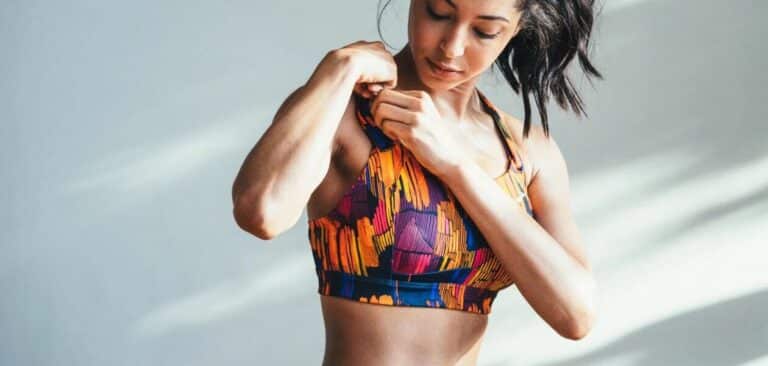
Transform your workout experience with the perfect sports bra – because 80% of women are wearing the wrong size and missing out on proper support.
When it comes to athletic performance, your sports bra can make or break your entire workout experience. Whether you’re a seasoned athlete or just starting your fitness journey, understanding how to choose a good sports bra is crucial for comfort, support, and long-term breast health. This comprehensive guide will walk you through everything you need to know about selecting, wearing, and caring for sports bras that actually deliver results.

Why Every Active Woman Needs the Right Sports Bra
Research reveals a shocking truth: when you run just one mile, your breasts move approximately 135 meters in various directions. This constant motion stretches the Cooper’s ligaments (suspensory ligaments) that support breast tissue. Unlike muscles, these ligaments cannot strengthen with exercise – once damaged, the effects are irreversible, leading to premature sagging and discomfort. The right sports bra can improve performance by allowing for freer movement and reducing discomfort.
A high-quality sports bra reduces breast movement by over 70% during physical activity, making it not just a comfort item but a health necessity. To ensure the bra’s support is adequate, try testing it by jumping or running in place—your breasts should feel secure with minimal movement. Whether you’re into high-intensity training, yoga, or casual walks, the right sports bra protects your investment in long-term breast health. Wearing a sports bra during physical activity also helps reduce breast pain and enhances overall comfort. The band of a sports bra provides up to 80% of the support, making it a critical component to consider when choosing the right fit.


The Benefits of Wearing a Sports Bra
Wearing a sports bra is one of the most important steps women can take to protect their comfort, health, and performance during physical activity. Unlike everyday bras, sports bras are designed specifically to minimize breast movement, reduce breast pain, and prevent long-term damage to delicate breast tissue. Whether you’re running, mountain biking, weight training, or practicing yoga, the right sports bra can make all the difference.
Impact sports bras—such as compression bras and encapsulation bras—are engineered to provide maximum support during high-impact activities. Compression sports bras work by pressing the breasts firmly against the chest wall, minimizing movement and discomfort. Encapsulation bras, on the other hand, use individual cups to support each breast separately, offering extra support and a natural shape, especially for larger breasts. Many of the best sports bras combine both compression and encapsulation to provide maximum support for a wide range of activities and cup sizes.
Understanding Different Types of Sports Bras
Compression vs. Encapsulation: Which Works Best?
Compression Sports Bras
- Press breasts against the chest wall
- Best for A-B cup sizes
- Ideal for low to medium-intensity activities
- Offer less support, making them best for low-impact activities
-
Engineered to provide support by minimizing breast movement during activity
-
Often pullover style with no individual cup structure
Encapsulation Sports Bras
- Individual cups support each breast separately
- Help maintain a natural shape while providing suppor
-
Engineered to provide support for each breast independently, making them ideal for higher impact activities
- Superior support for C+ cup sizes
- Better for high-impact activities
- Often feature underwire for added support
Women with larger busts may require as much support as possible, making encapsulation bras an ideal choice.
Compression vs encapsulation sports bra


Types of Sports Bras by Design
Back Design Categories
1. Traditional Double Strap Sports Bras
- Similar to regular bras with two shoulder straps
- Medium support level
- Suitable for A-C cups during low to medium-intensity workouts
- Easier to put on and take off
-
Bra straps play a key role in comfort; adjustable or padded straps can help prevent slipping or digging into the shoulders
2. Cross-Back (Racerback) Sports Bras
- Y-shaped or cross design prevents strap sliding
- Wider straps distribute weight better
- Transfers pressure from shoulders to back and underarms
- Straps come together between the shoulder blades for added support and stability
-
Bra straps in this style are less likely to slip and can offer improved comfort for longer wear
- Highly recommended for larger cup size
- Excellent for medium to high-intensity activities

Front Design Categories
3. Simple One-Piece Sports Bras
- Simplest construction
- Best for smaller busts (A-C cups)
- Suitable for low to medium-intensity exercise
- Most affordable optio
- Often made with smooth fabric for enhanced comfort and to prevent chafing during activity
4. Independent Cup Sports Bras
- Separate cups for individual breast support
- Reduces movement similar to regular bras
- Ideal for larger cup sizes
- Better shape retentio
- Some designs feature molded cups that do not require removable pads, preventing bunching or shifting
5. Special Structure Sports Bras
- Combines compression and encapsulation
- Features hooks, clasps, or advanced closure systems
- Often includes underwire or additional support structures
- Maximum support for C-D+ cups during high-intensity activitie
- Molded cups in these bras may eliminate the need for removable pads, offering a secure fit without shifting

Breast Pain Prevention: Why It Matters and How the Right Bra Helps
Breast pain is a common concern for many women, especially those who lead active lifestyles or participate in high intensity workouts. The right sports bra is not just about comfort—it’s a critical tool for preventing breast pain and protecting delicate breast tissue from the effects of excessive breast movement. A proper sports bra fit is essential for preventing pain and ensuring comfort, as it helps avoid issues like chafing and inadequate support. Without enough support, repetitive motion during exercise can lead to discomfort, long-term stretching of ligaments, and even injury.
Choosing a good sports bra with features like adjustable straps, encapsulation or compression technology, and moisture wicking materials can make a world of difference. Adjustable straps allow you to fine tune the fit, ensuring maximum support for your unique shape and activity level. Encapsulation bras, which use molded cups to support each breast individually, are especially effective for larger breasts and high impact sports, as they minimize breast movement and provide targeted support. Compression sports bras, on the other hand, work by holding the breasts close to the chest wall, making them a great option for low impact sports or everyday wear.
A well fitting sports bra minimizes movement and discomfort during activity, providing the support needed to prevent pain.
To find your perfect sports bra, start by measuring your bra size accurately with a soft tape measure and consult the brand’s size chart. This step is crucial, as wearing the wrong bra size can lead to insufficient support and increased breast pain. Look for high impact sports bras if you’re engaging in running, HIIT, or other intense activities, and opt for low impact sports bras for yoga, walking, or daily comfort. For those with larger breasts, wide straps and padded straps help distribute weight evenly, reducing pressure on the shoulders and preventing discomfort.
Material choice also plays a key role in breast pain prevention. Sports bras made with moisture wicking materials keep you dry and comfortable, while features like molded cups and combination sports bras (which blend encapsulation and compression) offer a customized fit and maximum support. Whether you’re looking for an everyday bra or the best sports bra for your favorite high intensity workouts, prioritizing these features will help minimize breast pain and keep you moving confidently.
How to Choose a Good Sports Bra: The Complete Checklist
Step 1: Determine Your True Size
Most women wear the wrong bra size, and this problem compounds with sports bras. Here’s how to measure correctly:
- Band and Cup Size: Start by measuring around your rib cage directly under your breasts to determine your band size. This rib cage measurement is essential for finding a snug fit that offers support without being too tight.
-
Bust Measurement: Measure around the fullest part of your breasts to get your bust measurement. An accurate bust measurement is crucial for determining your correct cup size.
- Calculate Cup Size: Subtract band measurement from bust measuremen. For example, a difference of 4 inches typically corresponds to a D cup. Support needs may vary by cup size, so those with a D cup or larger may require more support, especially for high-impact activities.
Pro Tip: Sports bras often run smaller than regular bras. Many women find success going down one band size while keeping the same cup size (e.g., if you wear 34C in regular bras, try 32C in sports bras). Always consult the brand’s size chart, as sizing can vary between brands, to ensure the best fit.
When trying on a sports bra, the band should provide a snug fit for support but still allow you to breathe deeply and comfortably.

Step 2: Match Support Level to Activity Intensity
Low-Impact Activities (Yoga, Pilates, Walking)
- Light to medium bra support is sufficient
- Comfort and flexibility prioritized
- Simple compression bras work well
- Higher cotton content acceptable
Medium-Impact Activities (Dancing, Skiing, Weight Training)
- Medium bra support required
- Balance of compression and structure needed
- Consider crossback designs for stability
- Moisture-wicking fabrics recommended
High-Impact Activities (Running, Tennis, High-Intensity Training)
- Maximum bra support is essentia
- High impact exercise, such as running, jumping, and burpees, requires a high impact bra or high impact sports bra to minimize movement and discomfort.
- Encapsulation design preferred for larger cups
- Sturdy construction with minimal stretch
- Advanced moisture management crucial
Step 3: Evaluate Fabric and Construction
Avoid Cotton at All Costs
Cotton acts like a sponge, absorbing sweat and staying wet throughout your workout. This leads to chafing, odor, and discomfort.
Choose Technical Fabrics:
- Polyester: Lightweight, durable, quick-drying
- Nylon: Strong, flexible, excellent moisture management
- Spandex/Lycra: Provides stretch and recovery; the stretchy fabric ensures flexibility, comfort, and a snug fit for effective support during movement
- Coolmax: Advanced moisture-wicking technology
- Mesh panels: Enhanced breathability in high-sweat zones
-
Breathable materials: Essential for ventilation and comfort, helping to keep you cool and dry during workouts
Step 4: Perfect the Fit
The Band Test
- Should sit parallel to the ground
- Firm but not restrictive
- Two fingers should fit comfortably underneath
- Band provides 90% of support – make it count
-
The band should sit firmly around your body for optimal support
The Cup Check
- No spillage over cups
- No gaps between breast and fabric
- Smooth silhouette without bulges
- Comfortable coverage without excessive compression
The Strap Assessment
- Should lie flat against skin
- No digging or sliding
- Adjustable straps allow customization
- Wide straps distribute weight better
-
Straps should sit comfortably on your shoulders without slipping or causing discomfort
The Movement Test
- Jump, stretch, and move in the fitting room
- Minimal breast movement during activity
- No chafing or uncomfortable pressure points
- Stays in place throughout full range of motion
-
Most sports bras are designed to provide a secure fit, with straps that sit comfortably and bands that sit firmly for support during any activity
How to Wear a Sports Bra Properly: Expert Tips
Getting It On Right
For Pullover Styles:
- Step into the bra from the top (don’t pull over your head)
- Position the band at your natural waist
- Pull up while guiding arms through straps
- Adjust breast position within cups
- Ensure band sits parallel to ground
For Front-Closure Styles:
- Put arms through straps first
- Fasten front closure
- Adjust cup position
- Check band placement
Common Wearing Mistakes to Avoid
- Double-layering: Never wear two sports bras – find one that provides adequate support instead
- Wrong timing: Put on your sports bra just before activity, not hours in advance
- Ignoring adjustment: Take time to properly position everything for optimal support
- Wearing too long: Change out of sweaty sports bras promptly after exercise
How to Wash Sports Bras: Extend Their Lifespan
Proper care significantly extends your sports bra’s effectiveness and lifespan. Here’s the professional approach:
Hand Washing Method (Recommended)
What You’ll Need:
- Specialized lingerie detergent
- Lukewarm water
- Clean towels
Step-by-Step Process:
- Pre-treat stains: Address any deodorant or sweat stains immediately
- Prepare wash water: Use lukewarm water (never hot) with lingerie detergent
- Soak: Let bras soak for 10-15 minutes
- Gentle washing: Gently squeeze and press – never wring or twist
- Thorough rinsing: Rinse multiple times until no soap residue remains
- Water removal: Press between clean towels to remove excess water
Machine Washing (When Necessary)
If you must use a washing machine:
- Use a lingerie bag or pillowcase
- Cold water only
- Gentle cycle
- Specialized sports detergent
- Never use fabric softener (reduces moisture-wicking properties)
Drying Best Practices
Proper Drying Method:
- Lay flat on clean towels
- Reshape cups while damp
- Air dry away from direct sunlight
- Never use a dryer (heat damages elastic fibers)
- Never hang by straps (causes stretching)
When to Replace Your Sports Bra
Sports bras have a shorter lifespan than regular bras due to:
- High-intensity use
- Frequent washing
- Elastic fiber breakdown
Replace every 6-12 months or when you notice:
- Loss of elasticity in the band
- Cups no longer hold their shape
- Straps stretch out
- Visible wear or pilling
- Reduced support during activity
When your current bra no longer provides proper support or fit, it’s time to purchase a new sports bra for optimal comfort and injury prevention.
Building Your Sports Bra Collection
How Many Sports Bras Do You Need?
For Regular Exercisers (3-4 times per week):
- Minimum: 3-4 sports bras
- Allows proper rotation and recovery time
- Prevents overwashing individual bras
For Daily Athletes:
- 5-7 sports bras minimum
- Different support levels for various activities
- Backup options for travel
Investment Strategy
While quality sports bras cost more upfront, they provide:
- Better support and comfort
- Longer lifespan
- Superior moisture management
- Better breast health protection
Consider it an investment in your long-term health and workout performance.
Special Considerations for Different Cup Sizes
A-B Cup Solutions
- Compression styles often sufficient
- Simple pullover designs work well
- Focus on comfort and moisture management
- Light to medium support adequate for most activities
C+ Cup Requirements
- Encapsulation absolutely necessary
- Underwire options provide superior support
- Wide, padded straps prevent shoulder discomfort
- High-support ratings essential for impact activities
- Never compromise on band fit
Plus-Size Specific Tips
- Band size becomes even more critical
- Look for reinforced construction
- Consider front-closure options for easier wear
- Invest in premium brands with extended size ranges
Advanced Tips for Optimal Performance
Layering Strategies
- For extreme sports, consider a supportive base layer under your sports bra
- Never layer two sports bras – this reduces effectiveness
- Choose appropriate outer layers that won’t interfere with bra function
Travel Considerations
- Pack sports bras flat or in dedicated compartments
- Bring extras for extended trips
- Research laundry facilities if traveling long-term
- Consider quick-dry options for frequent washing
Seasonal Adjustments
- Hot weather: Prioritize moisture-wicking and breathability
- Cold weather: Layer appropriately without compromising support
- Humid conditions: Choose advanced synthetic fabrics
- Indoor vs. outdoor activities may require different features
Common Sports Bra Myths Debunked
Myth: “Tighter is always better for support”
Truth: Proper fit, not tightness, provides optimal support
Myth: “Cotton is more comfortable”
Truth: Technical fabrics offer superior comfort during activity
Myth: “One sports bra fits all activities”
Truth: Different activities require different support levels
Myth: “Expensive means better”
Truth: Fit and features matter more than price (though quality often costs more)
Myth: “Sports bras last as long as regular bras”
Truth: Sports bras wear out faster due to high-impact use. A regular bra is not suitable for exercise because its design, including stiffness and underwire, can cause discomfort or even injury during physical activities.
The Bottom Line: Your Sports Bra Investment Pays Off
Choosing the right sports bra isn’t just about comfort – it’s about protecting your long-term breast health, improving your athletic performance, and maintaining confidence during every workout. By following this comprehensive guide on how to choose a good sports bra, understanding different types of sports bras, learning how to wear a sports bra properly, and mastering how to wash sports bras, you’re investing in both your immediate comfort and future well-being.
Remember, 80% of women wear the wrong size bra, but armed with this knowledge, you can join the informed 20% who experience the difference proper support makes. Take the time to measure correctly, try different styles, and invest in quality pieces that will serve you well throughout your fitness journey. A great bra combines support, comfort, and durability to meet all your workout needs.
Your breasts – and your workout performance – will thank you for making the right choice.

Ready to find your perfect sports bra? Browse our extensive collection of high-quality athletic wear designed for every body type and activity level. Experience the difference that proper support and premium materials can make in your fitness journey.