
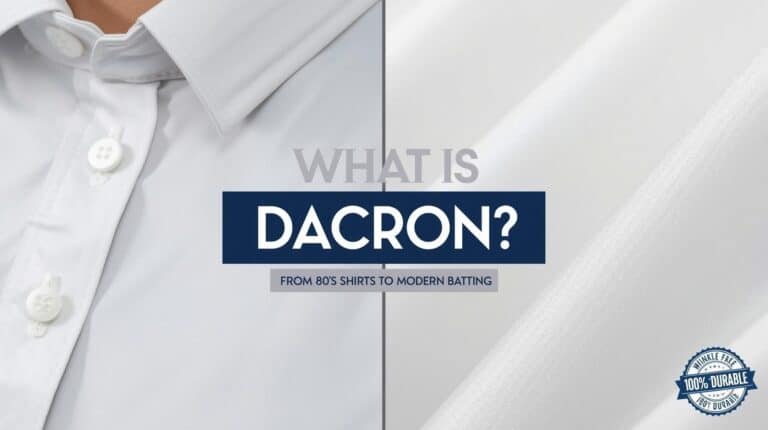
What is Dacron Fabric?
Dacron fabric is a registered trade name for a premium polyethylene terephthalate (PET) material, developed by DuPont. While technically a type of polyester, this synthetic cloth is famous for its exceptional durability and resistance to wrinkles.
Beyond just being a textile, it defined the look of an era. The Dacron shirt became a cultural icon in the 1980s as the ultimate symbol of ‘wash-and-wear’ convenience. The fabric of a Dacron shirt is typically made of polyester or a polyester-cotton blend. Because its tensile strength is several times higher than that of pure cotton, it resists wear and tear exceptionally well, appearing in everything from heavy-duty workwear to business suits.
At that time, the price even exceeded that of pure cotton. It was considered a symbol of status in the 1980s. Today, the composition of Dacron is not limited to polyester. It includes polyester, cotton, and cotton wool blended fabrics, as well as other synthetic fibres such as rayon. Dacron is competitive both in function and price.

Dacron is known for being a durable fabric that resists shrinking, wrinkling, and fading, making it a practical choice for a wide range of textile applications. It also offers excellent shape retention and does not wrinkle easily compared to natural fibres, which means garments made from Dacron require less ironing. This is why a Dacron shirt stays crisp all day compared to a cotton one, maintaining its shape even after prolonged use.
Introduction to Synthetic Fibers
Synthetic fibers have revolutionized the textile industry. Unlike natural fibers (like cotton or wool), synthetics are engineered for performance.
Dacron fabric, a well-known synthetic fabric, is prized for three main reasons:
- Exceptional Durability: It lasts for years.
- Wrinkle Resistance: No ironing needed.
- Shape Retention: It won’t stretch out or sag.
How is Dacron Fabric Made?
The production of Dacron starts with petrochemicals (specifically ethylene glycol and terephthalic acid). These are combined to form a polymer, which is then spun into fine fibers.
These fibers can be woven or knitted into a variety of fabrics, each with unique properties suited to different applications. Thanks to its long history and proven performance, Dacron continues to be a staple in the textile industry, valued for its strength, versatility, and resistance to wear. Whether used in garments, upholstery, or industrial textiles, Dacron fabric remains a practical and reliable material for manufacturers and consumers alike.

Advantages of Dacron Cloth & Material
Why has Dacron remained a staple in the textile industry for decades? Here are its key benefits:
-
Extreme Durability: Dacron is known for its high toughness and tensile strength. Unlike natural fibers that fray easily, Dacron is resistant to wear and tear, making it perfect for heavy-duty use like workwear and upholstery.
-
Excellent Shape Retention: Thanks to its thermoplastic properties, this fabric resists shrinking and stretching. It holds its shape (“memory”) even after years of use and washing. You won’t see it sagging or deforming easily.
-
Wrinkle Resistance: One of Dacron’s biggest selling points is its elasticity. It naturally resists creases and wrinkles. Even after being stretched, the fiber springs back to its original smooth form, meaning less time ironing for you.
Disadvantages of Dacron Fabric (The Real Downsides)
While Dacron is a miracle worker for durability, it’s definitely not perfect. Before you buy, here are the trade-offs you need to know:
-
Poor Breathability: Let’s be honest—Dacron doesn’t breathe well. Unlike cotton or linen, it traps heat and moisture against your skin. In a hot, humid summer, wearing a 100% Dacron shirt can feel a bit like wearing a plastic bag. It traps sweat against the skin, which is why modern versions are often blended.
-
Not Great for Cold Weather: Surprisingly, despite trapping heat in summer, it doesn’t insulate well in winter. It feels cold to the touch and doesn’t hold body warmth effectively unless it’s specially engineered (like fleece).
-
Pilling Issues: Have you ever seen those tiny, annoying fuzzballs on an old shirt? That’s called “pilling.” Over time, high-friction areas (like under the arms) on Dacron fabrics tend to pill, which can make the garment look worn out faster than you’d expect.
-
Static Shock: Because it has low moisture content, Dacron is prone to static electricity. Get ready for some hair-raising moments or clothes clinging to your legs in dry weather!
Common Applications: Where is Dacron Used Today?
You might be surprised by how versatile this material is. It has evolved far beyond just 1980s suits.
1. Apparel & Fashion
- Vintage Military Gear: In the 80s, its durability made it a top choice for military uniforms and caps.
- Modern Daily Wear: Today, you’ll mostly find it blended into polo shirts and dress shirts to keep them wrinkle-free and crisp.
2. Upholstery & DIY Projects (The Hidden Hero)
This is where Dacron truly shines today. If you are into DIY furniture restoration, you need to know this:
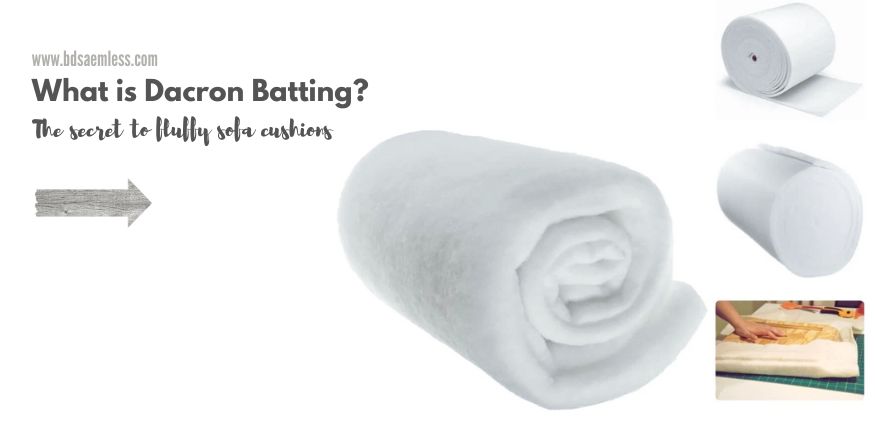
- Dacron Batting: It is widely used as a wrapping layer between the foam cushion and the outer fabric of your sofa.
- Why use it? It acts as a protective barrier. Without Dacron batting, the rough foam would rub against your expensive sofa fabric, causing it to wear out from the inside. Plus, it gives your cushions that plump, rounded “crowned” look instead of a boxy, flat shape.
The Environmental Truth: Is Dacron Eco-Friendly?
While we love Dacron for its durability, we have to address the elephant in the room: its environmental footprint.
The Challenges:
- Petroleum-Based: Dacron is essentially plastic. It is made from non-renewable petroleum resources.
- Non-Biodegradable: Unlike cotton or wool, a Dacron shirt won’t decompose naturally. It can sit in a landfill for hundreds of years.
- Microplastics: Every time you wash synthetic fabrics, tiny microfibers shed into the water system, potentially harming marine life.
The Solution: The Rise of Recycled Polyester (rPET). The good news? The industry is changing. Many brands are now using Recycled Polyester (rPET), which is made by melting down old plastic bottles. Many brands are also exploring more sustainable manufacturing practices and offering alternatives that blend recycled polyester with natural fibers for a reduced environmental footprint.
Despite these efforts, Dacron continues to be a popular choice due to its durability, versatility, and resistance to wrinkles. As consumers become more conscious of sustainability, the demand for eco-friendly fabrics is growing, but Dacron’s long-lasting performance ensures it remains a key material in the industry.

How to Wash and Care for Dacron Fabric? (Easy Guide)
One of the biggest selling points of Dacron is that it’s low-maintenance. You don’t need to baby it, but following these rules will make it last longer.
✅ The Do’s:
- Machine Wash Warm: Use warm water (around 30°C – 40°C). It’s tough enough to handle the washing machine.
- Pre-treat Stains: The collars and cuffs of a white Dacron shirt are notorious for trapping body oils and turning yellow. Use a soft brush with detergent on these specific areas before throwing the shirt into the machine.
- Tumble Dry Low: It dries very quickly. Use a low heat setting to avoid static and wrinkles.
❌ The Don’ts:
- Avoid High Heat: Never iron on high heat or boil wash. Since Dacron is essentially plastic, extreme heat can melt or deform the fibers.
- Don’t Over-dry: Remove it from the dryer while it’s still slightly damp to prevent “hard-set” wrinkles.

The Evolution: From 100% Dacron to Blends
You might wonder: “If Dacron is so durable, why don’t we wear 100% Dacron shirts anymore?”
As mentioned earlier, pure Dacron isn’t very breathable—it can feel like wearing a plastic bag. That’s why, starting in the 1980s, the textile industry shifted toward Polyester-Cotton Blends (Poly-Cotton).
Today, most “Dacron” clothes you buy are actually blends (e.g., 65% Cotton / 35% Polyester). This gives you the best of both worlds: the comfort of cotton and the durability of Dacron.