
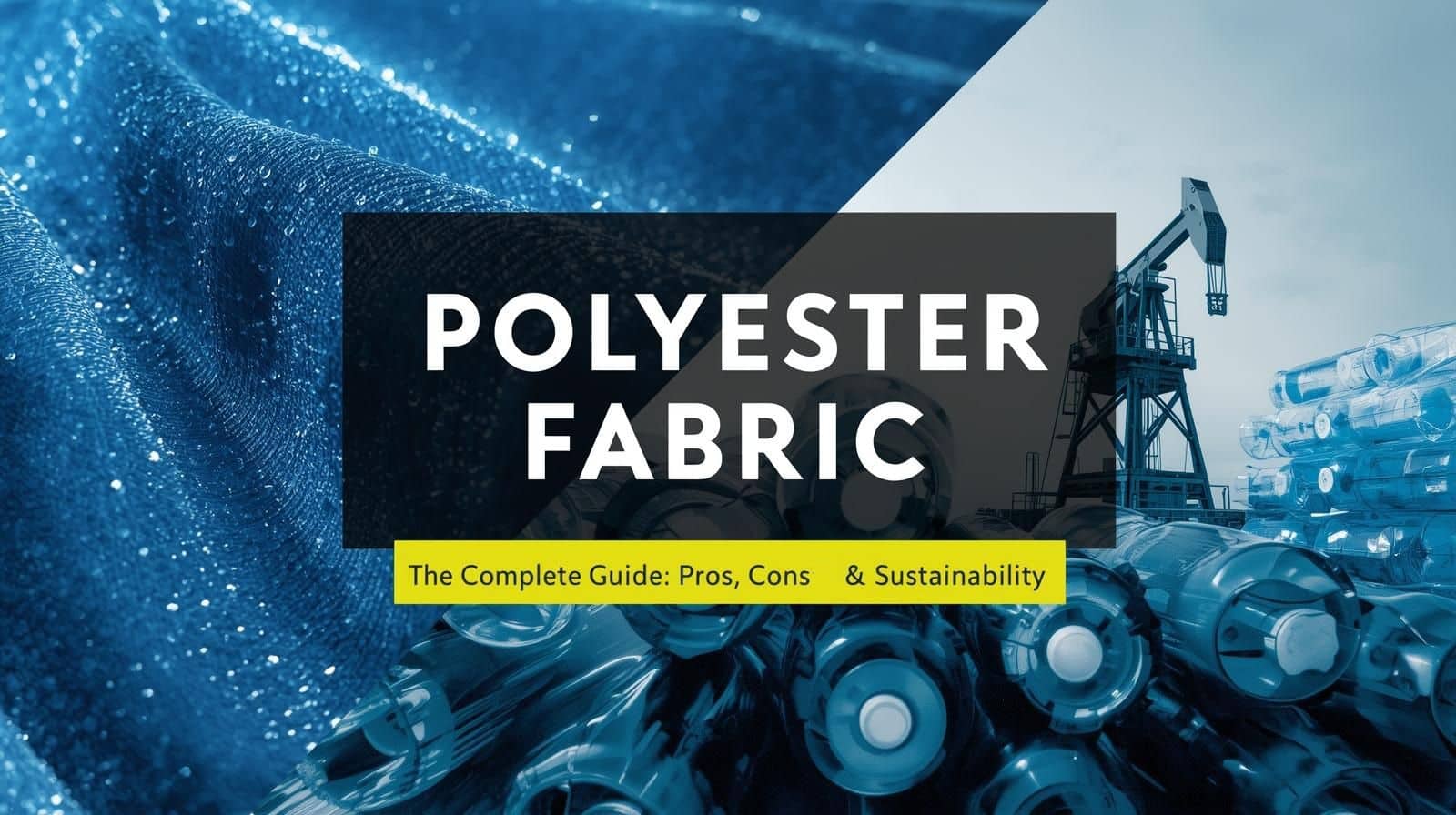
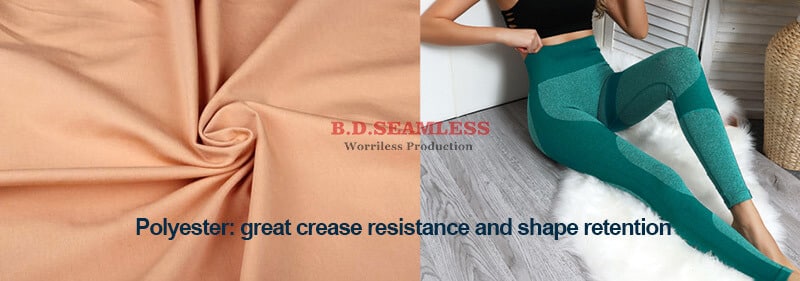
Also known as polyester fiber, polyester represents the highest yield of synthetic fiber among all man-made fibers. It is technically divided into filaments and staple fibers. The biggest advantage of polyester fabrics is their exceptional crease resistance and shape retention.
However, polyester fabric requires the use of crude oil as a raw material, making it a petroleum-based product. Despite this, it is considered a cheap material to produce, which has contributed to its widespread use in the fashion industry. The rise of fast fashion has been fueled by the low cost and quick production cycle of polyester, enabling brands to produce trendy garments rapidly.
What is Polyester? Structure and Production
Polyester is a synthetic fiber made from polyethylene terephthalate (PET). It belongs to a broader family of polyesters and plastics widely used in various industries. Polyester is manufactured through a chemical reaction involving specific monomers, a production process typical for synthetic polymers.
Polyester offers a combination of strength and flexibility, making it well-suited for a variety of fabric and textile applications. However, the environmental impact of polyester production, particularly its reliance on non-renewable resources and the challenges of disposal, has led to increased interest in more sustainable alternatives.
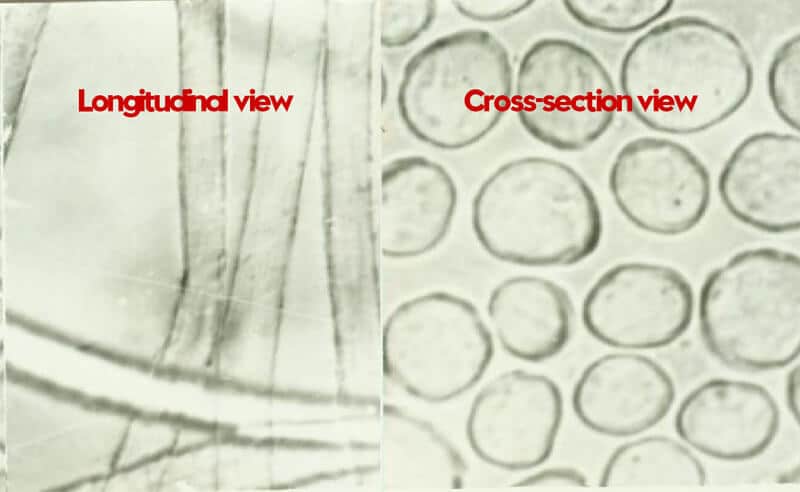
- The Structure: The vertical section of ordinary polyester fiber is smooth and has no streaks. Its cross-section is generally round (as shown in technical diagrams).
- Versatility: Polyester is used not only in clothing but also in home furnishings, outdoor products like tents and coats, and safety belts due to its high durability.
Historically, Nylon—another pioneering synthetic polymer—is often compared to polyester. Both materials contribute to plastic pollution and involve the use of toxic chemicals. Consequently, the industry is potentially entering a period of transition, with increased focus on sustainable alternatives due to environmental concerns.
Let us look at the detailed advantages and disadvantages of using polyester fabric.
Characteristics of Polyester Clothing
Polyester is blended with natural fibers like cotton to create polyester blends that combine the durability and easy-care properties of polyester with the softness and breathability of natural fibers. One of the main advantages of polyester is its low cost and manufacturing versatility, enabling a wide range of materials and textiles to be produced efficiently.
Polyester clothing is easy to care for, as it can be machine-washed and dried without losing its shape. However, polyester fabrics can be prone to pilling over time and may not be as breathable as natural fibers, which can cause discomfort for those with sensitive skin, especially in warm or humid conditions.

In addition to standard polyester, there are variant materials such as cationic polyester. This modified fiber allows for a unique two-color effect upon dyeing, which is increasingly used in modern clothing production to create distinct visual styles.
Advantages of using polyester fabric for clothing:
Polyester is valued for its impressive strength, flexibility, and resistance to abrasion. Here are the specific benefits:
- Excellent Chemical Resistance. Polyester has good chemical resistance. Acid and alkali cause little damage to the fabric, and it is not afraid of mold, mildew, or insects. Polyester maintains its properties even when exposed to various chemicals at lower temperatures.
- Superior Heat Setting Performance. It has good heat setting capabilities. The heat setting process can allow garments—such as women’s underwear—to be formed into permanent pleats and shapes. This improves the clothes’ appearance and shape stability. Polyester can withstand elevated temperatures during this process, which helps maintain the form of the garment.
- High Strength and Elasticity. The fabric possesses high strength and elastic recovery capability. It is durable, anti-wrinkle, and non-iron (wrinkle-free).
- Good Light Resistance. Polyester has excellent light resistance. Its lightfastness is superior to natural fiber fabrics. Notably, its sun-resistant ability behind glass is exceptional, making it almost equal to high-performance acrylic fiber in this regard.
- Quick-Drying and Vibrant Colors. It is quick-drying and requires no ironing after washing. Polyester takes well to dyes, resulting in vibrant, long-lasting colors.
- Body Sculpting Capabilities. Polyester fiber is extensively used to produce women’s underwear for body-sculpting, body-shaping, and shape-protecting. It helps shape and highlight the curvaceous beauty of women. This is why it is widely used in garments across the fashion industry.
Disadvantages of using polyester fabric for clothing:
Despite its benefits, there are notable downsides:
- Poor Moisture Absorption (The “Sultry” Feel). Polyester has poor moisture absorption. It is easy to feel sultry (stifling/sticky) when wearing it. It also tends to bring static electricity and can be easily contaminated with dust. (Note: Modern seamless technology can mitigate this with breathable structures.)
- Poor Dye-ability. Dyeing is difficult because polyester fibers lack specific hydrophilic dyeing sites (originally referred to as “dyeing genes”). It requires specific high-temperature dispersion dyes. However, once dyed, the colors are vibrant. The dyeing process often involves toxic dyes, harmful chemicals, and heavy metals, which can have negative environmental impacts.
- Poor Melt Resistance (Flammability) . Polyester has poor resistance to melting. It is easy to form holes in case of sparks, smoke, or fly ash. Polyester can degrade when exposed to elevated temperatures or fire, and its behavior at lower temperatures should be considered for safety.
-
Easy Pilling As a synthetic fiber product, it is prone to pilling (forming small fuzzballs) after a period of use and friction.
Production and Environmental Impact
The production of polyester involves a chemical reaction between ethylene glycol and terephthalic acid, typically carried out at high temperatures and requiring significant energy input. This process relies heavily on fossil fuels.
The textile industry’s widespread use of polyester has led to concerns about microplastic pollution. Polyester fabrics can shed microfibers during washing. These tiny fibers can enter waterways and potentially the food chain, posing risks to marine life and human health.
Sustainable Alternatives
- Recycled Polyester: This offers a more environmentally friendly option compared to traditional polyester, reducing demand for virgin raw materials and diverting plastic waste from landfills.
- Natural Fibers: Cotton, hemp, and bamboo are biodegradable alternatives that help reduce the risk of microplastic pollution.
- Innovation: Innovative production methods, including plant-based raw materials and energy-efficient processes, are being developed to create more sustainable materials for clothing.

Conclusion
Polyester remains a widely used synthetic material in the textile industry, prized for its durability and versatility. However, the environmental impact of polyester production—including greenhouse gas emissions and microplastic pollution—cannot be ignored. As awareness of these issues grows, so does the demand for sustainable alternatives.
Recycled polyester, natural fibers, and innovative production methods present promising solutions to reduce the environmental cost of polyester and create a more environmentally friendly future for the fashion and textile industries. By embracing these alternatives, manufacturers and consumers alike can help minimize the environmental footprint of clothing and textile production while still enjoying the benefits of durable and versatile materials.