
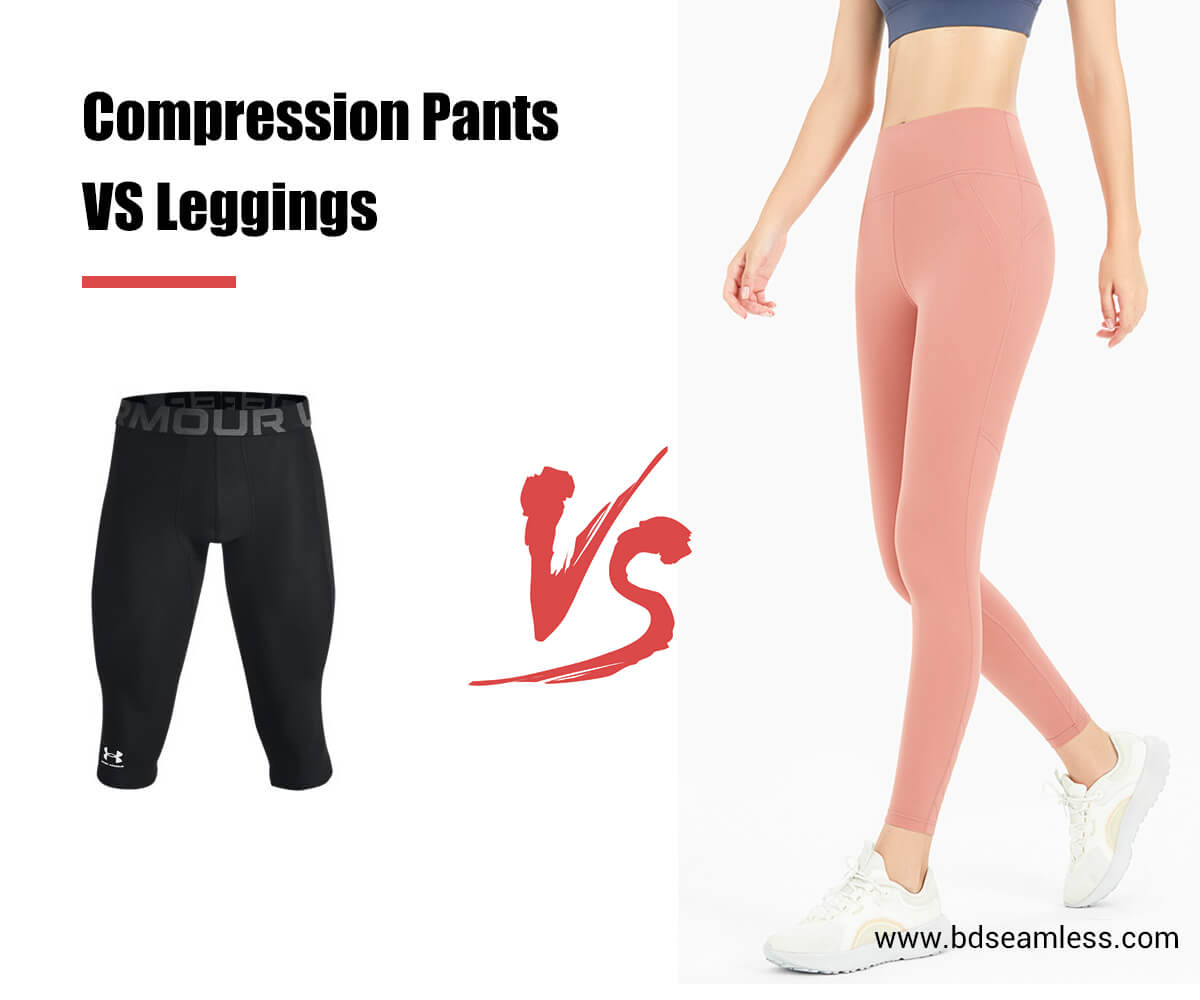
When comparing compression pants vs leggings, it’s important to understand how their features and benefits differ. They have differences in advantages and disadvantages, weight, features, use function, medical uses, compression level & support, and price. This article will explore the difference between compression garments and regular tight-fitting clothing, and break down compression pants, and leggings, what’s the difference, and how do they compare to compression options.
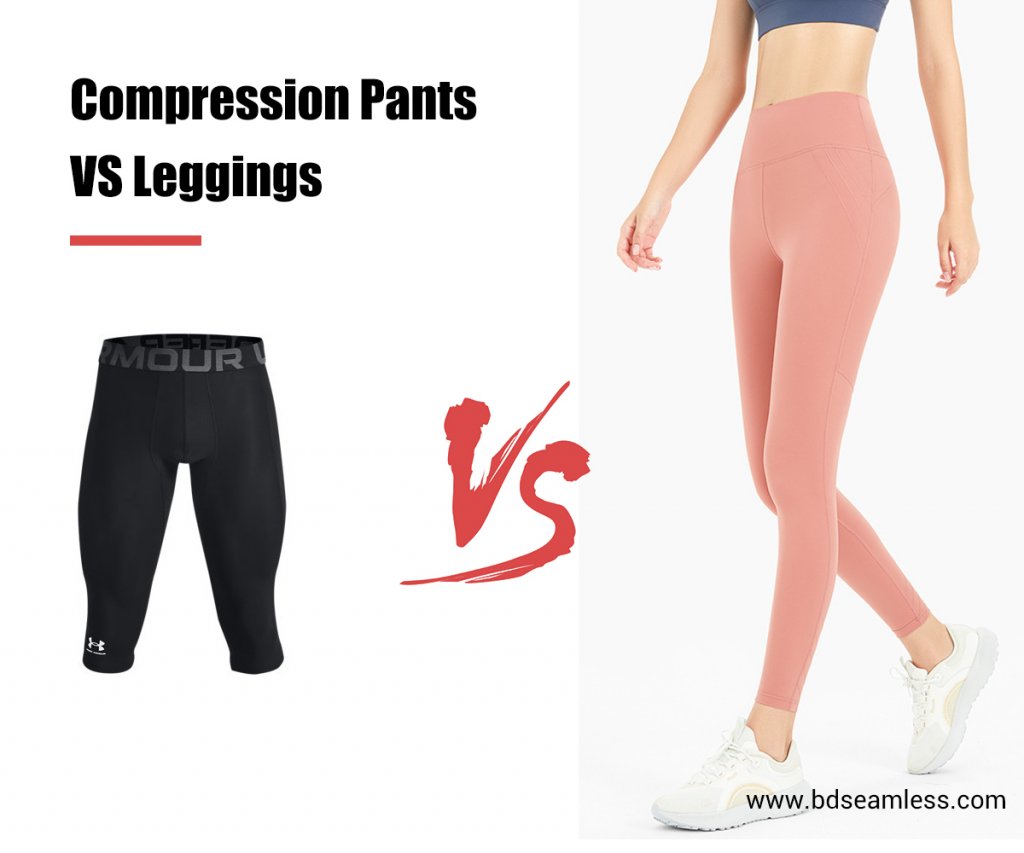
Introduction to Compression Clothing
Compression clothing, including compression pants and leggings, has become increasingly popular among athletes and everyday wearers alike. These garments are specifically designed to apply therapeutic pressure to the legs, which can help improve blood flow, provide muscle support, and aid in muscle recovery. Unlike non-compression tights or standard leggings, compression garments use advanced materials and construction techniques to deliver targeted support and stability to muscles and joints.
Compression Pants vs Leggings: Advantages And Disadvantages
1. Compression pants vs leggings in advantages:
- Compression pants: strong sense of compression, strong support performance, good air permeability, and provide better muscle and joint support during physical activities.
- Leggings: good air permeability and good comfort. However, leggings are simply tight and do not offer the same therapeutic benefits as compression garments.
Support and compression levels also differ between these two garment types, with compression pants designed to deliver specific pressure for enhanced support and circulation.
2. Compression pants vs leggings in disadvantages:
- Compression pants: slightly higher prices, fewer purchase channels.
- Leggings: a little lack of fit, weak support. Many people choose to wear casual leggings for comfort and style, but they do not provide therapeutic benefits.
Compression Pants vs Leggings: Weight
- Compression pants: around 140g at the same size.
- Leggings: 122g at the same size.
In terms of weight, compression pants are heavier, and tight pants are like a piece of silk fabric, which will feel very light and thin after wearing them.
Feature Difference between compression pants and leggings
The leggings are made of perspiration and breathable material, and also contain a certain spandex composition (generally less than 20%), which plays the role of perspiration, breathability and muscle wrapping. In addition, some leggings may also have heat dissipation meshes in the heat dissipation areas such as the roots of the thighs. It is designed with reflective strips (enhance the safety of night running), personal pockets (put money and keys), adhesive strips (fit the muscles to prevent strain), etc. Compression tights and leggings may look similar, but compression tights are specifically engineered to provide targeted pressure for therapeutic and performance benefits, while regular leggings are mainly for comfort or fashion.

The reason why leggings are designed to fit so closely is not only to highlight the muscle lines, but also mainly because they can wrap the muscles and reduce meaningless muscle jitters compared to ordinary loose sportswear. Compression tights are designed to apply therapeutic pressure, supporting blood circulation, reducing discomfort, and aiding recovery. At the same time, it is also reduced for people with thick legs. The friction at the roots of the thighs—the kind of pain that makes you grinning after running for a long time is very torturous.
Compression clothing and pants, on the basis of leggings, first use more elastic fabrics such as spandex. The elasticity is much stronger than that of leggings, and the weight of different parts is not the same. In addition, the knitting process basically implements gradient knitting (different brands have different names), so that different parts of a pair of trousers can give the muscles a different sense of compression. High quality compression tights are essential for ensuring durability, optimal support, and long-lasting performance, especially for athletes and those with active lifestyles.
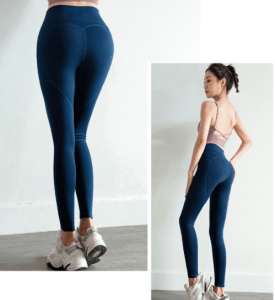
The measurement will use MMHg, heat map, etc.. For example, the pressure on the calf is stronger and the pressure on the ankle is weaker when wearing it, which has a “compression” effect. Such a progressive compression and decompression design can improve exercise performance, reduce lactic acid accumulation, help recovery, improve venous return, and so on. Graduated compression stockings use this pressure gradient to promote blood flow and are commonly recommended for both athletic and medical purposes.
Compression stockings for prevention are widely used to help prevent deep vein thrombosis, promote blood flow, and support vascular health. Wearing compression tights can also help prevent varicose veins by improving circulation and reducing the risk of vein-related issues, especially for those who stand or sit for long periods. These garments can reduce inflammation by alleviating swelling and promoting faster recovery after exercise or injury. Another important benefit is reducing the risk of blood clots, particularly during travel, pregnancy, or prolonged immobility.
Can wearing compression pants improve athletic performance? It is controversial. Even though all brands claim various functions and list a lot of laboratory data, there is no particularly convincing proof that compression pants can directly affect performance-otherwise more elite players should wear it, or it is directly banned like shark skin swimwear in a swimming pool. However, evidence from the database of systematic reviews and the Cochrane database of systematic reviews supports the benefits of compression garments for recovery and circulation, though effects on performance remain debated. Research by L Broatch J. has also examined the impact of compression garments on blood flow and recovery.
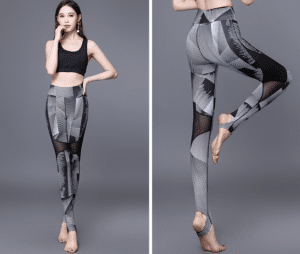
Some people think that this is just the effect of the psychology, and some people think that the effect of resuming wearing after exercise is more obvious. NBA players began to wear leggings in their jerseys more and more (The players’ version of non ordinary leggings has better spandex content and performance, which can be understood as compression clothes). Brands like VIM & VIGR offer a range of compression tights and leggings designed for both medical and athletic use.
Many teams will also buy compression pants for recovery and relaxation after the game. However, the proportion of top professional runners wearing compression has not changed significantly in recent years. Instead, almost every runner has one.
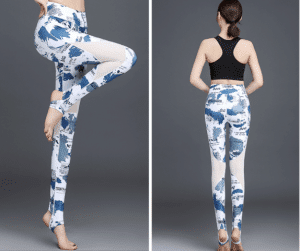
Use Function Differences
It’s just daily jogging training, such as aerobic jogging in the E/M heart rate zone, or running distance within 15 kilometers / continuous exercise time less than 2 hours. Generally, you don’t need to wear compression pants. For these activities, pants leggings or tights can all be suitable options depending on your preference and the level of support you need. It is more recommended to use compression wear as an accelerated recovery after exercise. Tight pants are enough for this kind of jogging. The point of wearing compression is to provide extra support, coverage, and warmth, which can be especially beneficial during more intense or prolonged activities.
However, the compression pants are actually better than leggings and have better benefits and stronger breathability. The wearing experience almost completely surpasses the leggings under the respective brands. Therefore, if it is high-intensity and long-term exercise, even if there is no bonus in exercise performance, the comfort of wearing compression pants is still much better. People playing sports casually, such as those who enjoy running, jumping, or other casual sports, can also benefit from the added support and stability that compression wear provides.
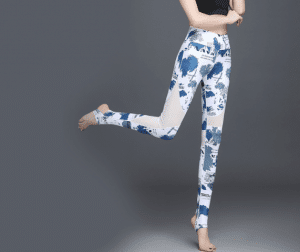
Compression pants give the muscles a strong sense of wrapping and it does make the muscles recover faster after exercise (this is generally recognized by most compression pants wearers), while tight pants have no such effect.
In addition, compression pants can also be used for medical purposes. For example, people who have not exercised for a long time after surgery and have symptoms of varicose veins can play a much better role than wearing Leggings. Pregnant women, who often experience circulation issues like swelling and varicose veins, can also benefit from wearing compression pants, leggings, or tights to help improve leg health and reduce discomfort.
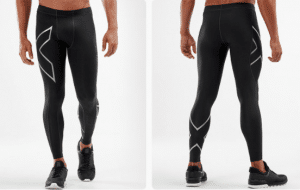
When deciding whether to wear compression or non-compression garments, consider the activity, duration, and your personal needs. Compression options are generally preferred for added support and recovery, while non-compression garments may be more comfortable for short, low-intensity activities.
For daily or prolonged use, wearing compression pants leggings is generally safe as long as they are properly fitted and comfortable. Many people choose to wear compression pants leggings throughout the day for support, warmth, and versatility, especially during colder weather or extended periods of activity.
In general, compression pants can do the same effect that leggings can achieve. Of course, if you consider cost performance, using compression pants for high-intensity exercise and recovery after exercise is the choice of most people—after all, its compression performance will slowly decay over time.
Price Differences
Leggings are very popular in recent years, and most sports and outdoor brands have related products. Most of the leggings for girls can be considered as a kind of leggings. In the past, people thought that leggings were just women’s clothing. In fact, they can be worn by both men and women. In addition to the color pattern, the tailoring design of the men’s and women’s leggings is often different (so when you buy it, please make sure that it is a male or female model).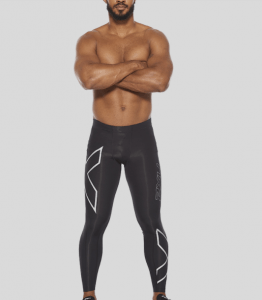
At present, the price of common leggings is often around 40~80 dollars, and it can almost be done in case of discounts of 20~40 dollars.
The price of compression pants is much more expensive. It is considered a light luxury product in sports equipment. The official price is often more expensive than the price of top running shoes, or even doubled.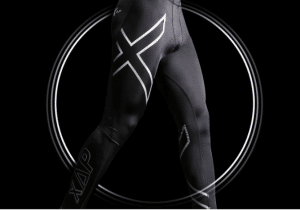
For example, CW-X’s top-tier compression pants from Wacoal (Japan) retail domestically for about $315. Even with overseas discounts, you’re still looking at roughly $140. The Skins A400 tights from Australia are around $140 at full price, and you can sometimes grab them for about $85 when they’re on sale. Australia’s 2XU top-end MCS series has several models that also sit in the $140–$285 range.
Compression pants are relatively high-tech, and counterfeits seem to be less common. Based on my personal experience—nearly 10 pairs across different brands—and feedback from friends, a reasonable entry point for top-level compression tights is around $70–$140. That’s a meaningful “big-ticket” investment in performance sportswear.
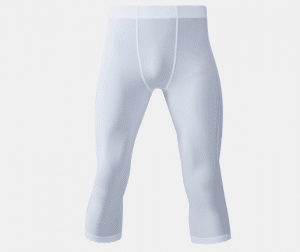
In addition, the performance of compression pants will decay as you wear them. They are consumables just like running shoes (detailed in the maintenance below), and the unit price for each use after conversion is not cheap. Compared with leggings, compression pants require more precautions during use and washing.
Medical Uses
Beyond sports and fitness, compression pants and leggings play a significant role in medical care. Medical-grade compression garments are often recommended for the prevention of deep vein thrombosis, varicose veins, and blood clots, especially for individuals with circulatory issues or those who are pregnant. These compression pants and leggings are designed to provide a higher, more consistent level of therapeutic pressure, which helps reduce swelling and inflammation in the legs. Doctors and physical therapists may prescribe medical compression garments to manage specific health conditions, ensuring the right fit and compression level for each patient. In contrast, non-compression leggings do not offer the same health benefits and are not suitable for medical use. If you’re considering compression wear for medical reasons, it’s important to choose medical-grade compression pants or leggings to ensure you receive the proper support and therapeutic effect.
Compression Level and Support
When comparing compression pants and leggings, one of the most important factors to consider is the level of compression and support they provide. Compression garments are engineered to deliver graduated pressure—meaning the compression is strongest at the ankle and gradually decreases up the leg. This design helps promote healthy blood flow, reduce swelling, and support muscle and joint stability. Compression pants and leggings come in a range of compression levels, from mild to firm, allowing you to choose the right amount of support for your activity or health needs. Athletes often opt for higher compression levels to enhance performance and speed up recovery, while those seeking everyday comfort or relief from mild swelling may prefer a lighter compression. Ultimately, the right compression pants or leggings should offer a balance of comfort, support, and the specific compression level that matches your lifestyle.