

What Is Seersucker Fabric?
Seersucker refers to a type of cotton fabric with small bumps on the cloth surface. Seersucker is a light fabric, ideal for hot climates, and while it is primarily a cotton fabric, it can also be made with silk, which adds a luxurious touch. This type of fabric is generally made of cotton as the base material and then processed through a series of processes (the fabric puffs and shrinks when it meets alkali). It can be used to make pajamas, children’s wear, blouses, dresses, bedspreads and other products. The word ‘seersucker’ comes from a Persian phrase, literally meaning ‘milk and sugar’, which describes the fabric’s alternating smooth and crinkled texture. Seersucker originated in the Indian Subcontinent, where it was favored for its cooling properties and durability. Seersucker became especially popular in hot climates before the advent of air conditioning, as it helped people stay cool. Note: some people search for “searsucker,” which is a common misspelling of seersucker.
The cloth surface of seersucker presents evenly dense small bubbles with unevenness, and this crinkled texture is achieved through a slack tension weave. The weaving process is designed to create the fabric’s distinctive wrinkled appearance. The puckered texture is created by using different tensions in the weaving process, with two warp yarns at varying tension levels. It is not close to the body and has a cool feeling when worn. It is suitable for women’s summer clothes.

The advantage of clothes made of seersucker is that you don’t need to iron after washing, but the disadvantage is that the bubbles will gradually flatten after multiple scrubbing. Seersucker is used for a variety of garments, and its unique qualities make it a popular choice for summer garments. Especially when washing, it is not advisable to use hot water to soak, nor to scrub and twist vigorously, so as not to affect the bubble fastness.
History and Origin of Seersucker Fabric
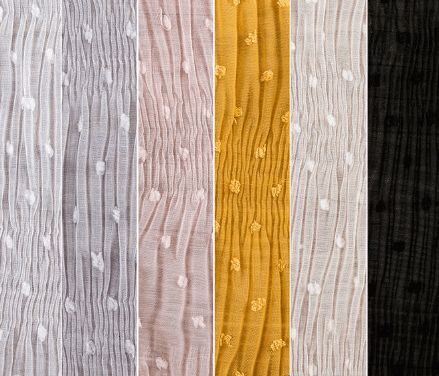
Seersucker fabric has a rich history dating back to the 1600s in India, where it was originally called “shir o shakar”—a Persian phrase meaning “milk and sugar.” This name perfectly describes the fabric’s signature alternating smooth and puckered texture. The unique weaving technique made seersucker highly valued in hot climates, where breathable, lightweight materials were essential.
Muslim traders introduced seersucker to the Western world, where the British anglicized the name for easier pronunciation. By the early 18th century, seersucker fabric reached the United States, used for both clothing and home decor like curtains and bedding.
Seersucker’s popularity soared in the 19th century, especially among laborers and railroad workers in the hot southern cities of America. Its breathable, puckered texture made it the fabric of choice for seersucker shirts, jackets, and overalls, providing much-needed relief from the heat. The fabric’s reputation for comfort and durability only grew, and in the early 20th century, Joseph Haspel Sr., a haberdasher from New Orleans, played a pivotal role in bringing seersucker suits into the mainstream. Haspel championed the seersucker suit as the perfect solution for businessmen seeking a cool, professional look during sweltering summers. In the 1920s, seersucker became popular among the upper classes as a fashion statement in the United States.
Today, seersucker fabric remains a timeless summer staple, celebrated for its unique texture, breathability, and versatility. Whether as a classic suit, crisp shirt, or home decor accent, seersucker’s enduring appeal continues to offer comfort, style, and tradition.
Classification of Seersucker
- According to the principle of forming bubbles, seersucker is mainly divided into weaving seersucker, alkali shrunk seersucker and so on.
-
According to different printing and dyeing methods, it can be divided into dyed seersucker, printed seersucker, and yarn-dyed seersucker.
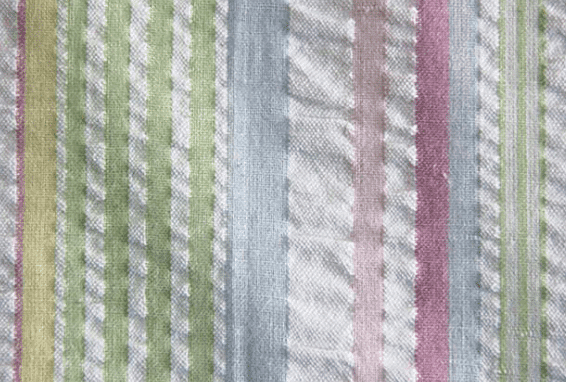
Most seersucker fabrics feature a striped pattern, often with one stripe in white and another in a contrasting or vibrant color. Striped seersucker is a classic style, known for its distinct puckered, striped appearance and lightweight, breathable qualities. The classic blue and white stripes are especially iconic, sometimes referred to as railroad stripe or hickory stripe, and have historical significance as they were commonly used in workwear and uniforms for railroad workers and laborers. Red and white seersucker is also notable, frequently used in traditional uniforms such as hospital garments and vintage service apparel.
Modern seersucker is available in a variety of colors, including navy and grey, expanding its versatility in contemporary fashion. The fabric is popular for making a range of garments such as blazers, trousers, skirts, seersucker dress, and shirts, suitable for both casual and formal occasions.
How Is Seersucker Fabric Made?
Seersucker fabric stands out thanks to its distinctive puckered texture and lightweight feel, but what truly sets it apart is the unique way it’s made. The manufacturing process begins with high-quality cotton, which is spun into fine yarns. These yarns are then woven together using a special technique known as slack tension weaving. In this process, some of the warp threads are held at a tighter tension while others are kept looser. The deliberate manipulation of the tension in these threads is what creates the signature puckered appearance and alternating smooth and crinkled stripes that define seersucker fabrics. The slack-tension weave used in seersucker creates an uneven surface that aids in air circulation. The puckered texture is created by using two sets of warp threads with different tension levels, which causes certain areas of the fabric to crinkle and others to remain flat.
The weaving process is carefully controlled to produce the classic striped pattern, often featuring a crisp white stripe alongside a classic blue stripe. This blue and white combination is iconic, but seersucker is also available in a range of other colors, including pink, green, and yellow, allowing for plenty of variety in summer wardrobes. The stripes and puckered texture not only add visual interest but also enhance the fabric’s ability to promote air circulation and heat dissipation, making seersucker an ideal choice for hot weather and warm climates. Seersucker is often produced in light colors and pastel shades suitable for warmer weather. Additionally, seersucker’s texture allows it to filter natural light, making it a favored choice for curtains.
While traditional seersucker is made from 100% cotton, it can also be created from a polyester blend. Using a polyester blend can affect the fabric’s durability, cost, and feel, and is often chosen for casual or activewear due to its increased resilience and lower maintenance. Additionally, seersucker fabric is travel-friendly because its textured nature helps hide wrinkles and creases, and it dries quickly.
While traditional seersucker is made from 100% cotton, it can also be created from a polyester blend. Using a polyester blend can affect the fabric’s durability, cost, and feel, and is often chosen for casual or activewear due to its increased resilience and lower maintenance.
Thanks to this meticulous manufacturing process, seersucker fabric is lightweight, breathable, and cool to the touch—perfect for crafting seersucker suits, seersucker shirts, seersucker trousers, seersucker jackets, and seersucker pants. Whether you’re dressing for a garden party, a day in the city, or simply looking to stay comfortable during the summer months, the unique character and cooling effect of seersucker remain unmatched. The combination of cotton’s natural comfort and the fabric’s innovative weaving technique ensures that seersucker continues to be a staple in stylish, warm-weather clothing.
Advantages of Seersucker Fabric
Seersucker fabric has a hand-feel comparable to that of pure cotton. The good breathability makes the clothes feel cool after being put on. This makes seersucker ideal for staying cool in hot climates, as its lightweight and airy texture helps maintain a cooler temperature compared to traditional fabrics. Seersucker is also a durable fabric, able to withstand repeated wear and maintain its puckered texture even in demanding environments. While jeans are a staple for everyday wear due to their practicality and comfort, seersucker offers a cooler alternative for hot weather. Coupled with the good skin-friendly nature of the fabric itself, it is more suitable for the production of women’s or baby clothes.
Seersucker is a popular choice for summer suits because of its lightweight and breathable qualities, making it fashionable and functional for warm climates. Seersucker itself has been treated with anti-wrinkle treatment, so the clothes do not need to be ironed after washing, and the care is simple and does not take much time. Finally, the price of seersucker is generally not high, and the price of this type of product is affordable for every consumer. Wearing seersucker is a popular choice for summer wardrobes because it helps keep the wearer cooler and comfortable during warm weather.
Disadvantages of Seersucker Fabric
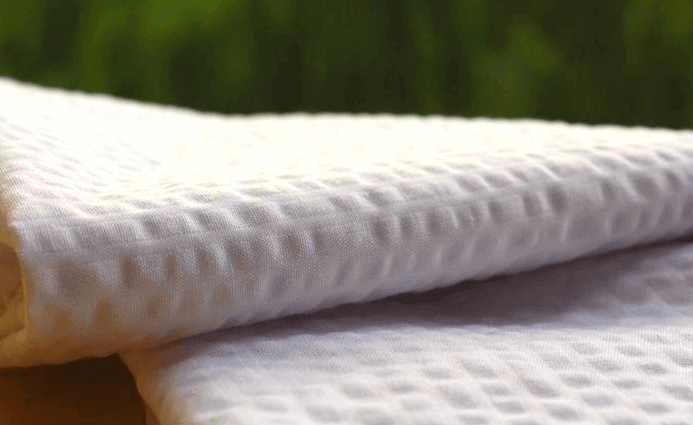
Like cotton, seersucker can only be washed in cold water. Seersucker may shrink slightly during the first wash, which is a normal characteristic of the fabric. Warm water will damage the wrinkles of the fabric. After the fabric is used for a long time, the wrinkles of the fabric will gradually be worn out, which will greatly affect the appearance of the clothes. You can wash seersucker fabric in cold water to protect its texture and prevent it from flattening.
To avoid excessive seersucker shrink, use gentle washing and air drying.
Price of Seersucker Fabric
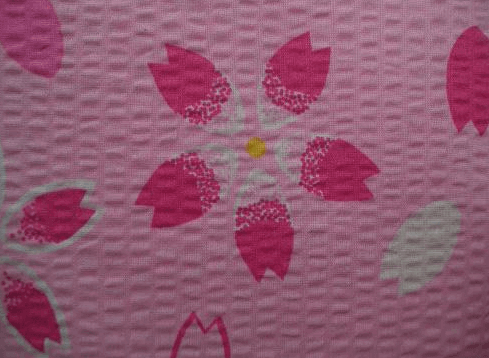
The price of seersucker for different production materials and production processes is different, and the wholesale price ranges from seven or eight yuan to more than thirty yuan per square meter. Here are two more popular seersuckers in China. Seersucker is also used in home decor items such as bedding, curtains, and decorative pillows.
Seersucker is commonly used for full suits and is suitable for many occasions, ranging from casual gatherings to semi-formal events. However, seersucker is generally not suitable for the most formal occasions, such as black-tie events. Seersucker suits and blazers are popular for warm-weather formal or semi-formal events, especially for outdoor gatherings and celebrations like Memorial Day. Seersucker suits are also commonly worn for summer weddings, garden parties, and business-casual events.

Pure Color Bubble Wrinkle Fabric
The main component of this fabric is polyester fiber. The width of the fabric is 150cm. The fabric is soft and comfortable with slight elasticity. It is breathable and cool and suitable for the production of dresses, shirts and tops. The wholesale price of the fabric is 21 yuan per square meter.
Linen Cotton Bubble Wrinkle Fabric
This seersucker is made of cotton and linen blended fabric. The width of the fabric is 145cm. The fabric is thin and has a moderate feel. It can be used to produce cardigans, pants and pillows. The wholesale price of the fabric is around 4.5 dollars per square meter.
Home Decor with Seersucker Fabric
Seersucker fabric isn’t just a summer wardrobe essential—it’s also a stylish and practical choice for home decor, especially in warmer climates. Thanks to its lightweight material and signature puckered stripes, seersucker brings a fresh, airy feel to any living space. The fabric’s breathable texture allows for excellent air circulation and heat dissipation, making it ideal for curtains that keep rooms cool while adding a touch of elegance.
Seersucker bedding, such as duvets and pillowcases, is another popular option for those looking to stay comfortable during hot summer nights. The fabric’s unique texture helps wick away moisture and promotes a cool, restful sleep. Upholstery made from seersucker fabric can transform sofas, armchairs, and ottomans, offering both style and comfort with its soft, crinkled surface.
When incorporating seersucker into your home decor, consider choosing light, pastel shades or classic striped patterns that highlight the fabric’s distinctive texture. Whether you opt for subtle white seersucker or playful candy stripe designs, seersucker fabric brings a timeless, breathable charm to any room, making it a favorite for both modern and traditional interiors.
Care and Maintenance of Seersucker Fabric
One of the many reasons seersucker fabric is beloved for both clothing and home decor is its easy care and lasting durability. To keep your seersucker items looking their best, always wash them in cold water using a gentle detergent. Avoid bleach or harsh chemicals, as these can damage the fabric’s breathable texture and signature puckered stripes.
If your seersucker fabric develops wrinkles, you can iron it while it’s still slightly damp, but be sure to use a low heat setting to protect the puckered texture. For stubborn creases, a handheld steamer is a gentle and effective option. When storing seersucker clothing or home decor items, hang them in a well-ventilated area or use a breathable storage bag to maintain their texture and prevent moisture buildup.
By following these simple care and maintenance tips, you’ll preserve the timeless appeal and unique texture of your seersucker fabric, ensuring that your garments and home decor pieces remain cool, comfortable, and stylish for years to come.